WONDERING what the world will look like when the heat is on?
A newly discovered micro-fossil of an organism that lived during a previous global warming is helping researchers understand how aquatic life could adapt to the warmer, lower oxygen, waters that may accompany radical environmental transformations.
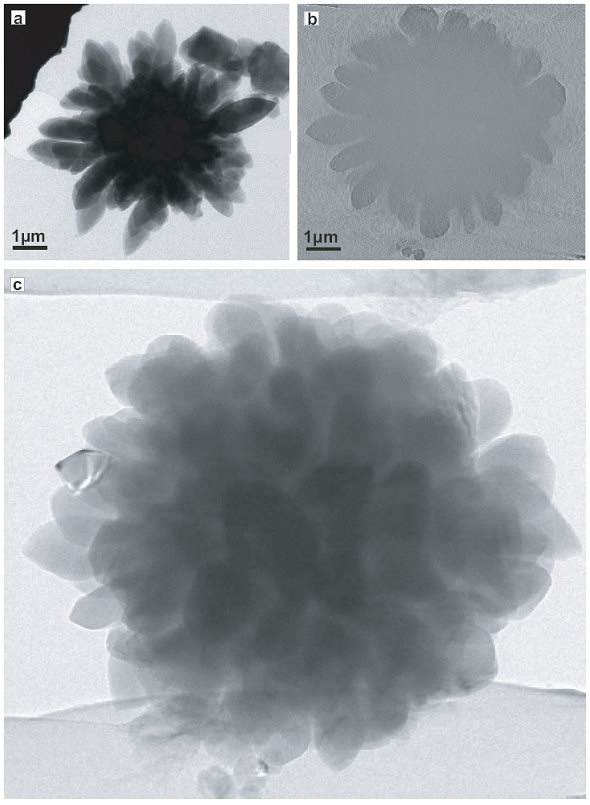
Dubbed the “Magnetic Death Star”, due to its round and spiky magnetite structure, the fossil was found among sediment deposited 55 million years ago during the Paleocene-Eocene Thermal Maximum (PETM), when surging atmospheric carbon drove temperatures 9 degrees Fahrenheit higher. CalTech and McGill University workers believe the single-celled eukaryote evolved during the PETM, only to be out-competed and disappear again when conditions cooled off (Proceedings of the National Academy of Science, DOI:10.1073 / pnas.0803634105).