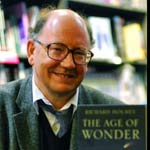
Yesterday evening at the Royal Institution, I watched the respected biographer and academic Richard Holmes make an empassioned plea for an end to the ‘two cultures’ rift between science and the arts – a reference to the term coined by CP Snow in his Rede Lecture of 1959.
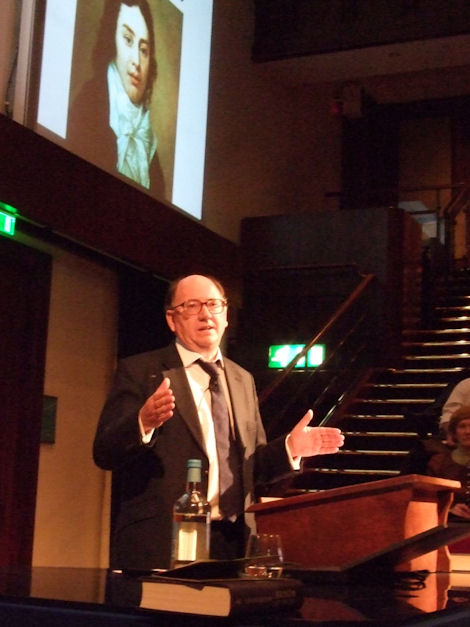
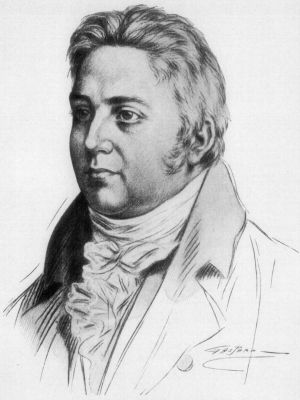
In a packed auditorium, familiar as the venue for the annual Christmas Lectures, Holmes challenged his hosts to do their bit by including humanities speakers as a fixture in the RI lecture programme. He certainly held the historical high ground, sharing a daiz occupied in another age by Sir Humphrey Davey, Michael Faraday and significantly the poet Samuel Coleridge.
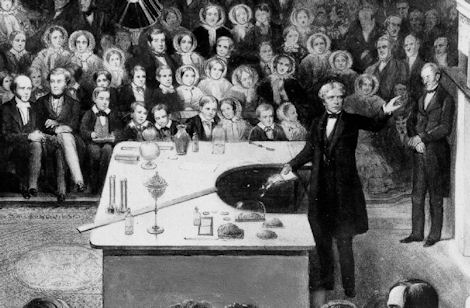
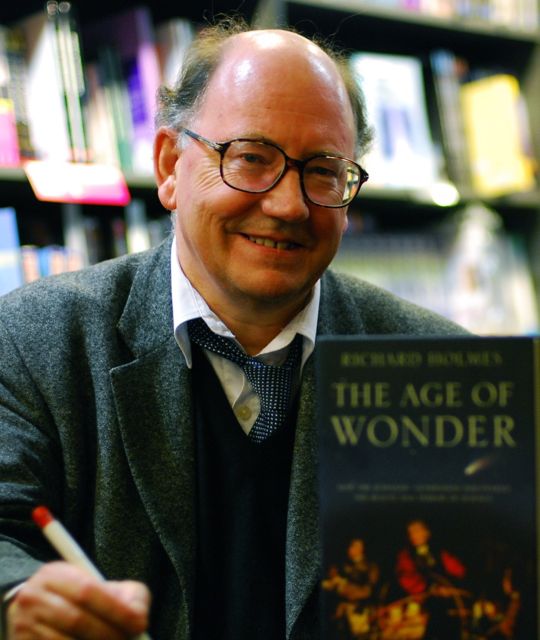
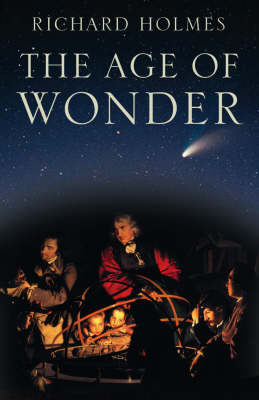
Dipping into his new book The Age of Wonder, Holmes used the lives and achievements of explorers like Sir Joseph Banks and the romantic polymath Erasmus Darwin (grandfather to Charles) to illustrate an age when science and art moved together to their mutual benefit. He continued through the lives of the Herschels: from William and Catherine and the discovery of Uranus, to Catherine’s formative influence on the young John Herschel. Then on to Humphrey Davy and Michael Faraday, finishing with Charles Darwin in the mid-nineteenth century. Readers who enjoyed hearing about Joseph Banks’s culturally sensitive integration activities in this earlier post on the Otaheite Dog, will find more revelations in the same vein in Age of Wonder.
Holmes bemoaned the lack of general access to source texts, including Banks’s Endeavour Journal and Darwin’s Botanic Garden – another sign of the literary/science imbalance of two cultures thinking. Both of these works are wonderful pieces of literature as well as scientific documents. The Botanic garden is a compendium of virtually all 18th century science expressed as poetry, in a format where the footnotes are as inspiring as the main text. The good news is that both are available online.
Holmes believes that if there there was one event more than any other that influenced Snow’s proclamation on the two cultures, it was the horrific association of science with the atomic bomb. An audience member blamed the divide in the UK on the arts/science choices students were forced to make at A-Level. Whatever the reason, Holmes’s comments are a timely introduction to a week in which the two cultures theme figures large, with as part of the London Consortium’s Art and Science Now Programme, a mix of all-day conference sessions and receptions scheduled at the Wellcome Institute on Thursday, the Science Museums’s Dana Centre on Friday, and the Tate Modern Art Gallery on Saturday. More on those later.
UPDATE: My report on the Art and Science Now ‘Two Cultures’ event is HERE